Sleep health and ergonomics
Choosing a Topper for a Moving Sleep Surface
A mattress topper can soften a firm bed or add a welcome layer of cushioning. On an adjustable bed, though, comfort has to travel with the mattress as it bends. Choosing well means considering material, thickness, fit, and the instructions for both the mattress and the base.
Published October 9, 2026
At first glance, an adjustable bed seems to change only its outline: the head rises, the foot lifts, and a level sleeping surface becomes a gentle incline. Beneath the bedding, however, the mattress is moving through a series of small, repeated bends. A topper laid over it has to move too. If it is too thick, stiff, heavy, or poorly secured, that extra layer may shift, bunch, resist the base, or feel different from one position to the next.
The goal is not simply to find the softest topper. It is to find one that complements the mattress without compromising the movement of the adjustable bed base. That calls for a little investigation: What is the mattress made of? How does it flex? Which sleep positions need more cushioning? What does the base manufacturer permit? And how will the topper stay in place when the bed changes shape?
For Canadian households weighing mattress toppers for an adjustable setup, those questions are especially useful because product names and marketing language can obscure the practical details. “Plush,” “cooling,” or “pressure-relieving” describes an intended feel, not necessarily how well a topper will bend, fit, or remain secure. The most reliable approach is to treat the mattress, topper, bedding, and base as one system.
First, understand what a topper can—and cannot—do
A topper is a comfort layer placed on top of a mattress. Depending on its construction, it may add softness, a little contouring, a more buoyant surface, or a different temperature feel. It can make a mattress feel less firm, but it does not necessarily correct a mattress that is sagging, damaged, or no longer providing adequate support. A layer of cushioning cannot restore the structure beneath it.
Nor should a topper be expected to resolve a medical problem. Some sleepers find that changing the surface feel helps them settle more comfortably, but pain, numbness, persistent sleep disruption, or symptoms associated with a health condition deserve appropriate professional advice. A topper is a bedding choice, not a treatment plan.
It helps to identify the specific discomfort you want to address before shopping. Is the mattress simply too firm at the shoulders or hips? Does it feel warm? Do you want more surface cushioning, or are you hoping to change the bed’s overall support? The clearer the aim, the easier it is to avoid adding a layer that feels inviting in a showroom but performs poorly at home.
Why an adjustable base changes the equation
A conventional bed holds the mattress in a mostly level position. An adjustable base changes the angle beneath it. When the head or foot section rises, the mattress follows the movement, and the contact between mattress and topper changes. A topper that is flexible and appropriately sized can follow that curve. A rigid or bulky one may lag behind, slide, or form folds where the bed bends.
Thickness is one factor, but it is not the only one. Construction, density, weight, surface texture, mattress cover, and the shape of the base all influence how a layer behaves. A thin, dense topper may be less cooperative than a thicker, supple one; conversely, a very plush, heavy layer may compress or migrate under repeated adjustment. There is no universal thickness that guarantees compatibility.
The base’s movement can also reveal problems that are easy to miss while the bed is flat. A topper may seem smooth at bedtime, then creep toward the foot as the head is raised. Bedding that grips a flat mattress may pull tight when the mattress articulates. Testing the setup through the positions you actually use is more informative than judging it only while level.
Before buying, consult the adjustable base and mattress documentation. Manufacturers may specify suitable mattress types, maximum thicknesses, weight limits, or restrictions on additional layers. These details matter for more than comfort: an incompatible topper could affect how the mattress moves or how a warranty applies. If the guidance is unclear, ask the manufacturer rather than assuming that a product advertised as “adjustable-bed friendly” is suitable for every base.
Materials: different ways to follow a curve
Materials influence how a topper bends, compresses, and responds to the sleeper. Names alone do not settle the question: two products made from the same broad material can differ substantially in density, thickness, quilting, and construction. Read the specifications, check the care instructions, and look for clear compatibility guidance.
Latex: responsive and resilient
Latex is often valued for its springy response. Rather than slowly sinking around the body, it tends to compress and rebound quickly. That buoyancy may appeal to sleepers who want cushioning without a deeply enveloping sensation. Depending on its formulation and design, latex may also allow airflow through its structure, although a product’s cover and overall construction affect how warm it feels.
For an adjustable bed, flexibility remains essential. A latex topper should be able to bend with the mattress, and its weight and thickness should suit the base’s guidance. Ask whether the specific model is approved for use on an articulating foundation; the word “latex” by itself is not a compatibility guarantee.
Memory foam: contouring with a slower response
Memory foam is known for contouring under pressure. Some people appreciate the close, cushioned feel; others prefer a surface that responds more quickly when they shift positions. Foam density, formulation, ventilation, and thickness all affect performance. A topper made for a flat bed may not automatically be appropriate for an adjustable base, so check its bending limits and the base maker’s recommendations.
Temperature is another personal consideration. Some foam products retain more warmth than others, while covers and open-cell or other engineered constructions can change the experience. Descriptions such as “cooling” should be understood as product claims, not a promise that every sleeper will feel cool in every room or season.
Polyfoam and fibre-filled layers
Polyfoam toppers vary widely in firmness, resilience, and durability. Some are light and flexible; others are dense or structured in ways that may be less suited to repeated bending. Fibre-filled pads and quilted protectors generally provide a shallower change in feel than substantial foam layers, but they can still wrinkle or shift if they are not sized and secured appropriately.
Whatever the material, look at the whole construction. A thick quilted cover, backing, or non-slip layer can change how easily the topper bends. Confirm whether the cover is removable or washable, whether the insert can be cleaned, and how the maker recommends protecting the surface from spills and wear.
Match the layer to the sleeper and the mattress
Sleep position offers a useful starting point, not a strict formula. Side sleepers often notice pressure at the shoulder and hip, while back sleepers may focus on whether the surface feels evenly supportive. People who change positions may prefer a layer that responds readily rather than one that holds a deep impression. Body shape, personal comfort, mattress firmness, and the amount of time spent in each position all influence the result.
Think of the topper as modifying the surface feel, not replacing the mattress beneath it. If the mattress already compresses substantially, adding a plush layer may make the whole bed feel too enveloping. If the mattress is firm and in good condition, a modestly cushioned topper may provide the change you are seeking. The same topper can feel quite different on two mattresses because the base layer contributes so much to the final sensation.
Couples should consider whether both sleepers want the same change. On a split adjustable configuration, each side may move independently. A single topper spanning both sides could bridge the split and interfere with separate movement; separate toppers may preserve independent adjustment, but can create a seam or require careful sizing. Check the dimensions and design of the specific bed before choosing either arrangement.
Pillows and bedding are part of the same ergonomic picture. Raising the head of the bed changes the angle of the upper body and can alter how a pillow feels beneath the head and neck. If you add a substantial topper, you also raise the sleeping surface slightly. Reassess pillow height and sheet fit after making a change rather than assuming the old arrangement will feel identical.
Fit, fastening, and the small movements that matter
Measure the mattress rather than relying solely on the label. Confirm its width and length, and note whether it has rounded corners, a pillow-top surface, or an unusual profile. The topper should correspond to the mattress dimensions without excess material hanging over the edges or corners that pull upward when the base bends.
Attachment matters because an adjustable surface repeatedly changes angle. Some toppers use elastic corner straps, a fitted skirt, a grippy underside, or another fastening system. Each approach has limits. A loose strap may slip; a tight one may distort the topper or place stress on its edges. Follow the maker’s instructions and ensure fasteners do not obstruct the mattress, base, or moving joints.
Deep-pocket sheets and mattress protectors need to accommodate the combined height of the mattress and topper. A sheet that fits when the bed is flat may pull loose or tug at the corners when the head and foot lift. Excessively tight bedding can also add unwanted tension. Check that all layers remain smooth and secure through the full range of motion.
Before using the bed, keep hands, cords, and loose fabric clear of moving parts. Make adjustments slowly the first time and observe the topper along the centre, sides, and bends. If it shifts sharply, folds, catches, or appears to resist the mattress, return the bed to flat and investigate before continuing. Follow the base’s safety instructions, especially in households with children, pets, or anyone who may need help operating the controls.
A practical compatibility check
When comparing mattress toppers, use a short checklist to move beyond promotional language and focus on the details that affect an adjustable setup:
- Confirm approval: Check the base and mattress manuals for topper, thickness, weight, and foundation requirements.
- Measure carefully: Match the topper to the actual mattress dimensions and account for the combined bed height.
- Assess flexibility: Look for clear information about bending and use on an adjustable base, not just a general claim of comfort.
- Consider the feel: Decide whether you want more cushioning, a more responsive surface, or a different temperature experience.
- Review fastening: Determine how the topper stays in place and whether its straps or skirt work with your mattress.
- Check care and warranty terms: Find out how to clean it and whether using it affects coverage for the mattress or base.
- Understand the return policy: A trial period can be valuable, but review the conditions, fees, and return window before purchase.
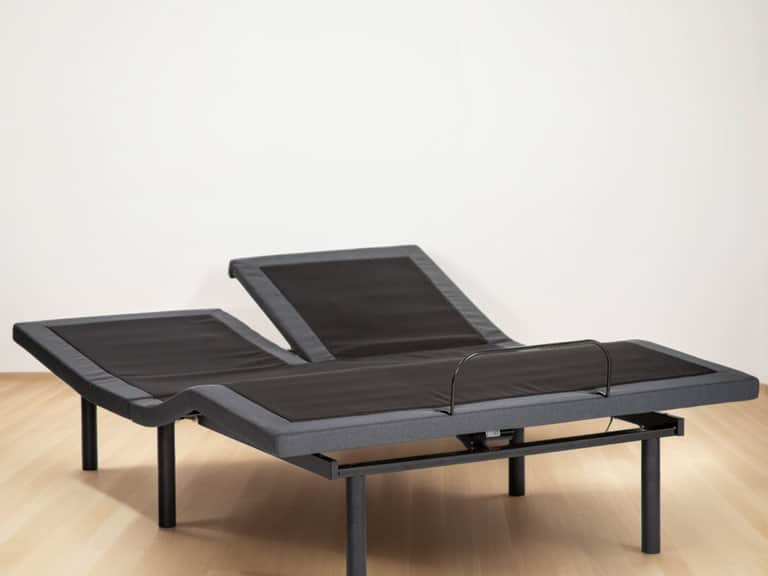
When possible, test the complete arrangement rather than a topper by itself. A retailer or manufacturer may be able to clarify how a particular model behaves on an adjustable foundation. For example, the Level 2 Adjustable Bed Base is described with independent head and foot lifts and preset positions. Its specifications illustrate why the exact base model matters: check its own instructions and pair any topper with the mattress and accessories approved for that setup.
Test the whole bed, not just the flat position
Once a topper is in place, begin with the bed flat. Smooth the surface, check that the corners align, and make sure the sheet has enough room to move. Then raise the head section a little, pause, and inspect the topper. Repeat with the foot section, then try the combinations you expect to use. Watch whether the topper follows the mattress evenly or shifts toward one end.
Lie down in your usual position and notice the bed as it changes angle. Does the surface still feel consistent? Does the topper bunch beneath the lower back or pull away near the shoulders? Does the sheet tug? Are there new gaps or pressure points? Small movements can be easier to detect when made slowly and in sequence.
Allow time for an ordinary night’s rest before deciding how the comfort feels, provided the setup is secure and within manufacturer guidance. New materials can feel different from one another, and comfort is subjective. Still, repeated slipping, persistent bunching, a mattress that no longer articulates smoothly, or a surface that makes sleep less comfortable are reasons to stop and reassess rather than waiting for the problem to disappear.
Canadian rooms, seasons, and practical care
Across Canada, bedroom conditions can vary sharply with the season, housing type, and heating or cooling system. A topper that feels comfortable during a dry winter may feel different in a warm, humid summer room. Consider the room’s temperature and ventilation, as well as the materials already on the bed. A new layer may change how heat and moisture move through the bedding, but no material can compensate for every climate or personal preference.
Care instructions deserve the same attention as comfort claims. Some toppers are spot-clean only; others have removable covers. Foam and latex inserts may have specific limits on washing, drying, sunlight, or heat. Follow the product’s directions, use a suitable protector if recommended, and allow damp components to dry completely before making the bed. A topper that is difficult to clean may not suit every household, particularly where spills or frequent laundering are concerns.
Store documentation for the mattress, topper, and base together. It can help answer questions about cleaning, moving, warranty coverage, and future replacements. If a bed is shared by a caregiver and the person using it, make sure both understand the remote controls, safe operating instructions, and any restrictions on loading or adjusting the base.
A considered layer, not a shortcut
The right topper can refine the feel of a mattress, adding a measure of cushioning or responsiveness while preserving the flexibility of an adjustable bed. But that outcome depends on compatibility. A promising material in the wrong thickness, an ill-fitting cover, or a fastening system that slips can turn a simple comfort upgrade into a nightly nuisance.
Start with the mattress and base instructions. Identify the change you want, compare materials in light of your sleeping position and temperature preferences, and verify measurements and attachment. Then test the completed bed through the positions you actually use. In a moving sleep surface, comfort is not a still photograph; it is the way every layer behaves as the bed gently changes shape.