Sleep materials and construction
What to Know About Naturepedic Organic Mattress Construction
A mattress is less a single object than a small landscape of materials: a surface that meets the body, layers that distribute weight, and a foundation that helps the whole system hold its shape. When comparing Naturepedic organic mattresses, looking closely at construction can help explain differences in feel, airflow, support and care.
Published October 6, 2026
At first glance, two mattresses may appear nearly identical. Both may have a quilted cover, a clean profile and language about natural materials. Yet beneath the fabric, their layers can be arranged in very different ways. Those decisions influence whether a surface feels buoyant or gently contouring, how readily heat and moisture move away from the sleeper, and how the mattress responds when weight shifts during the night.
That is why the phrase “organic mattress” is a starting point, not a complete description. It may refer to particular materials or certified components, but it does not by itself tell you how thick a comfort layer is, what supports the mattress core, or how the finished bed will feel. Naturepedic offers multiple mattress designs, and details can vary by model and size. A useful comparison begins with the specific model’s current materials list and construction information, rather than assumptions based on a brand name or a broad category label.
This guide explains how to read those details. It is not a verdict on one mattress or a substitute for trying a sleep surface where possible. Instead, it offers a practical way to connect construction with the experience you may notice at home.
Think in layers, not labels
A mattress typically brings together several functional zones. The outer cover is the first point of contact. Beneath it, one or more comfort layers cushion the body. A transition layer, when present, helps distribute pressure between the softer surface and the firmer support beneath. At the centre is the core, which provides much of the mattress’s structural stability. The precise arrangement differs among designs, and a layer’s purpose depends on its material, thickness, density and position.
Imagine the mattress as a cross-section through a landscape. The uppermost terrain yields under a shoulder or hip; deeper strata resist further sinking and spread the load. A thin layer of resilient material will behave differently from a thicker layer of the same material. Likewise, two materials that sound similar in a short product description may differ in firmness, processing, feel or placement. The ingredient list matters, but so does the architecture.
When examining a Naturepedic model, look for a clear account of what each layer is made from and what role it serves. If a product page lists only broad terms such as “comfort layer” or “support core,” consult the detailed specifications or ask the manufacturer to clarify. Useful questions include whether the layers are continuous or divided into zones, whether the mattress has a distinct transition layer, and whether its construction changes between sizes or versions.
- Cover: The fabric and any quilted material affect surface feel, durability and the first impression of warmth or coolness.
- Comfort layers: These cushion prominent body areas and influence how closely the mattress conforms.
- Transition layers: Where included, these can help create a gradual change from cushioning to deeper support.
- Support core: This provides the underlying structure and contributes to the mattress’s overall stability.
- Edge and perimeter details: Reinforcement, if present, may affect how the sides feel when sitting or sleeping near them.
These categories are a reading framework, not a promise that every mattress contains all of them as separate pieces. Some designs combine functions in fewer layers. The specification for the exact model is the guide.
Materials shape the feel
Materials are often described by name, but their behaviour matters just as much. A responsive material tends to spring back as pressure changes, which can make movement across the surface feel easier. A more contouring material may allow the body to settle into it, spreading pressure across a broader area. These are tendencies, not guarantees: formulation, firmness, thickness and the layers around a material all alter the result.
Latex, for example, is commonly valued for an elastic, buoyant response. In a mattress, the experience depends on the particular latex formulation and how it is used. A relatively thin layer over a firm core will not feel like a thick, plush layer near the surface. The term alone does not reveal firmness or the degree of contouring. Ask whether the specifications identify the type of latex and where it sits in the construction.
Other materials may serve as cushioning, insulation, or support. Their names can be familiar, technical, or associated with particular certifications. Rather than inferring performance from a material’s reputation, consider the complete system: layer order, thickness, firmness information and the manufacturer’s explanation of each component. The finished mattress—not an isolated ingredient—is what your body encounters.
Material preferences also involve practical considerations. Some sleepers pay close attention to odour after unpacking, sensitivity to particular substances, maintenance instructions or the origin of materials. Product documentation can help answer these questions, but a material description should not be treated as proof that a mattress will prevent allergies, eliminate exposure to every chemical, or resolve a health condition. For individual sensitivities, consult the relevant certification details and seek advice from a qualified health professional where appropriate.
What “organic” does—and does not—tell you
Organic claims are most useful when they are specific. A certification applies to a defined standard and scope; it does not automatically certify every component of a finished mattress, nor does it establish that the mattress is ideal for every sleeper. Check which materials are covered, what the certifier evaluates and whether the claim applies to the finished product or to individual components. If a label or product description is unclear, look for the certification’s own explanation rather than relying on a general marketing phrase.
Certification and construction answer different questions. A certification may help establish that certain materials meet stated criteria. A layer diagram or technical specification helps explain how those materials are assembled. Neither one alone tells the whole story. Together, they offer a more complete picture: what is present, what standards apply, and how the parts form a sleep surface.
It is also useful to distinguish material certification from performance claims. A material may have a recognised certification while the mattress’s firmness, pressure distribution or temperature feel remains highly personal. Conversely, comfort descriptions such as “plush” or “supportive” are not substitutes for construction details. When comparing Naturepedic organic mattresses, separate what can be verified—materials, standards, thicknesses and design—from what you will need to assess through experience, return policies and fit with your own preferences.
Because specifications can change over time, especially across model revisions, use current documentation for the exact mattress you are considering. Keep the product name and size in view when comparing pages. A detail listed for one model should not be assumed to apply to another simply because both are part of the same brand family.
Breathability and the sleep microclimate
During sleep, the space between body, bedding and mattress forms a small microclimate. Heat and moisture accumulate there, influenced by the sleeper, room temperature, pyjamas, sheets, comforter and mattress materials. A mattress cannot control the climate of a bedroom on its own, but its construction may affect how air circulates and how warm or close-fitting the surface feels.
Breathability is not a single ingredient or a guarantee of sleeping cool. It can depend on the structure of a material, the openness of a layer, the way the cover is quilted and whether layers allow air to move. A tightly fitted protector or heavy bedding can also change the feel at the surface. When product information mentions airflow or temperature regulation, look for an explanation of which construction features are intended to contribute. Treat broad comfort claims as something to investigate, not a certainty about your own experience.
Canadian bedrooms span a wide range of conditions: dry, heated interiors in winter; humid summer nights in some regions; and substantial variation from one home to another. A mattress that feels comfortable in a showroom may feel different beneath a winter duvet or in a warmer room. Consider the bedding system as a whole. Lightweight, breathable sheets and a comforter suited to the season may matter as much as the mattress when managing warmth.
For a clearer comparison, keep other variables as consistent as possible. If you are testing two mattresses, use similar bedding and spend enough time in your usual sleep position to notice pressure and temperature. A brief sit on the edge can reveal little about how the surface behaves after several hours.
Support is personal—and positional
People bring different shapes, weights, habits and comfort preferences to a mattress. Sleep position offers one useful lens, though it cannot identify a universally correct firmness. Side sleepers often pay attention to pressure around the shoulder and hip. Back sleepers may notice whether the lower back feels comfortably supported without excessive sinking. Stomach sleepers may prefer a surface that does not let the midsection settle too deeply. These are prompts for observation, not medical rules.
Support is sometimes mistaken for hardness. A mattress can feel soft at the surface yet provide a stable foundation beneath; another may feel firm but not suit a particular body or sleeping position. The question is whether the layers allow comfortable alignment and pressure distribution for you. No construction description can predict that perfectly, because the interaction between body and mattress is individual.
Couples may need to consider movement transfer, differing preferences and whether each person can find a comfortable position on the same surface. If a mattress is available in different firmness choices or construction configurations, confirm which options apply to the exact model. Do not assume that a name or size alone indicates a particular feel.
If you experience persistent pain, numbness, disrupted sleep or another ongoing health concern, a mattress choice should not replace assessment by a qualified clinician. A new sleep surface may influence comfort, but it is not a treatment for a medical condition. Professional guidance is especially important when symptoms are severe, changing or affecting daily life.
Compatibility with an adjustable base
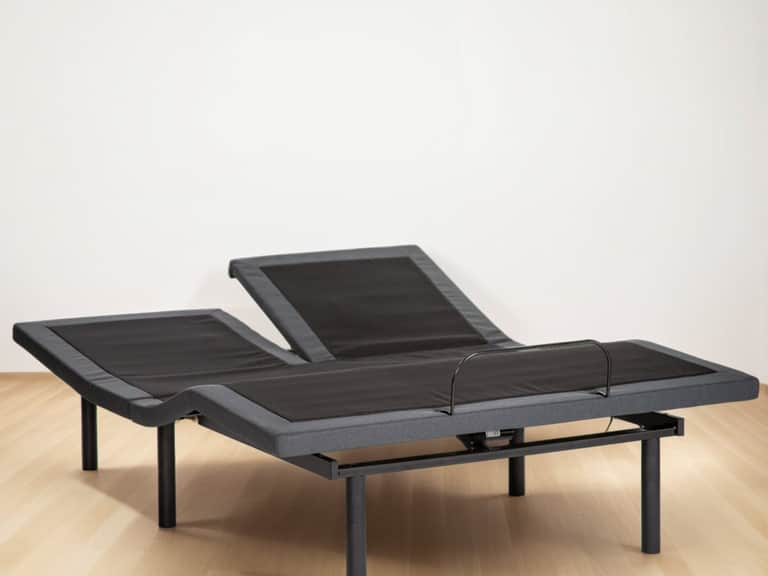
For households considering an adjustable bed, mattress construction has an additional practical dimension: flexibility. A mattress must be compatible with the particular adjustable base and able to move through its range of motion as intended. Do not infer compatibility from a mattress’s material category or from the fact that it is described as organic. Check the manufacturer’s current guidance for the exact model and base, including any restrictions on bending, use with split configurations or required support.
Also consider the complete setup: the bed frame, base, mattress size, surrounding furniture and electrical access. A mattress that works on a standard foundation may have different requirements when paired with a moving base. If you share a bed, determine whether independent adjustment is important and whether the mattress design is offered in a configuration suited to that arrangement. Confirm warranty conditions before combining components from different systems.
An adjustable base changes position; it does not change the mattress’s materials or guarantee a health benefit. Some people appreciate being able to vary their posture for reading or comfort, while others prefer a flat surface. For symptoms such as persistent snoring, reflux or pain, seek clinical advice rather than treating a particular bed position as a diagnosis or cure.
A practical comparison checklist
Product pages can be dense, so a short, consistent checklist helps keep comparisons grounded. Use the same questions for every model and record the answers before deciding. If a detail cannot be found, note it as unknown rather than filling the gap with a guess.
- Model and version: Is the information for the exact mattress name, size and current design?
- Layer order: What lies beneath the cover, and what is the stated function of each layer?
- Material details: Are materials identified precisely, including relevant types or formulations?
- Thickness and construction: Are layer dimensions, zoning or other structural details provided?
- Certifications: Which components or claims are covered, and by which certifying organisation?
- Feel and fit: What firmness options exist, and can you try the mattress or use a home trial?
- Temperature: What construction features are said to influence airflow, and what bedding will you use?
- Foundation: What support system is required, and is the mattress compatible with an adjustable base if needed?
- Care: Is the cover removable or washable? What cleaning methods are permitted?
- Policies: What do the current warranty, delivery, trial and return terms actually cover?
Policies deserve close reading. A warranty may address specific manufacturing defects without covering normal softening, comfort preference or damage from an unsuitable foundation. Trial periods can have conditions, deadlines or fees. These details are separate from construction, but they influence how much confidence you can have when choosing a mattress online or in person.
Care and longevity begin with the foundation
Even well-made materials rely on appropriate support and care. Follow the mattress maker’s guidance about foundations, slats, centre support, rotation and cleaning. Requirements can differ by design; a rule that applies to one mattress should not be assumed to apply to all. If using an adjustable base, follow instructions from both manufacturers and clarify which guidance takes precedence when they differ.
Use a protector if it is compatible with the mattress and does not interfere with the intended surface feel. Clean spills according to the care label, avoid soaking the mattress and allow any cleaned area to dry fully. Excess moisture can create problems in bedding materials, while unapproved chemicals or aggressive cleaning may damage a cover. For removable covers, confirm whether they are designed for home laundering; “removable” does not necessarily mean machine washable.
Regularly check that the mattress rests evenly on its support and that the base remains stable. If the mattress is designed to be rotated, use the schedule supplied by the manufacturer. Do not flip a one-sided design unless the instructions specifically allow it. Thoughtful care cannot make a mattress last indefinitely, but it helps protect the construction and makes it easier to notice changes in support or condition.
Choose the construction that fits your life
The most useful way to assess Naturepedic organic mattress construction is to join three kinds of information: materials, assembly and personal experience. Materials tell you what the mattress contains. Construction shows how those components work together. Trying the surface, where possible, helps you judge whether its feel suits your body, sleep position and habits.
Begin with the exact model rather than a broad organic label. Read the layer details, check what certifications cover, and ask questions where specifications are missing. Consider airflow in the context of your bedroom and bedding. If you use an adjustable base, verify compatibility directly. Then weigh those facts against practical needs such as ease of movement, pressure comfort, care instructions and the terms of any trial or warranty.
A mattress is a quiet, everyday piece of equipment. Its most important features may be invisible once the sheets are in place, yet those hidden choices shape the surface you meet night after night. Understanding the layers does not remove the personal nature of comfort. It gives you a clearer map—and a more informed way to decide which path through the options feels right.